
A propeller or driveshaft transfers torque to driven wheels on suitable vehicle designs. Excess play, worn joints or imbalance can cause vibration, but tyres, mounts and differential faults should also be investigated.
When to consider this service
Symptoms may include clunks when changing from drive to reverse, vibration at specific speeds or unusual underbody noise. A damaged shaft can pose a safety risk.
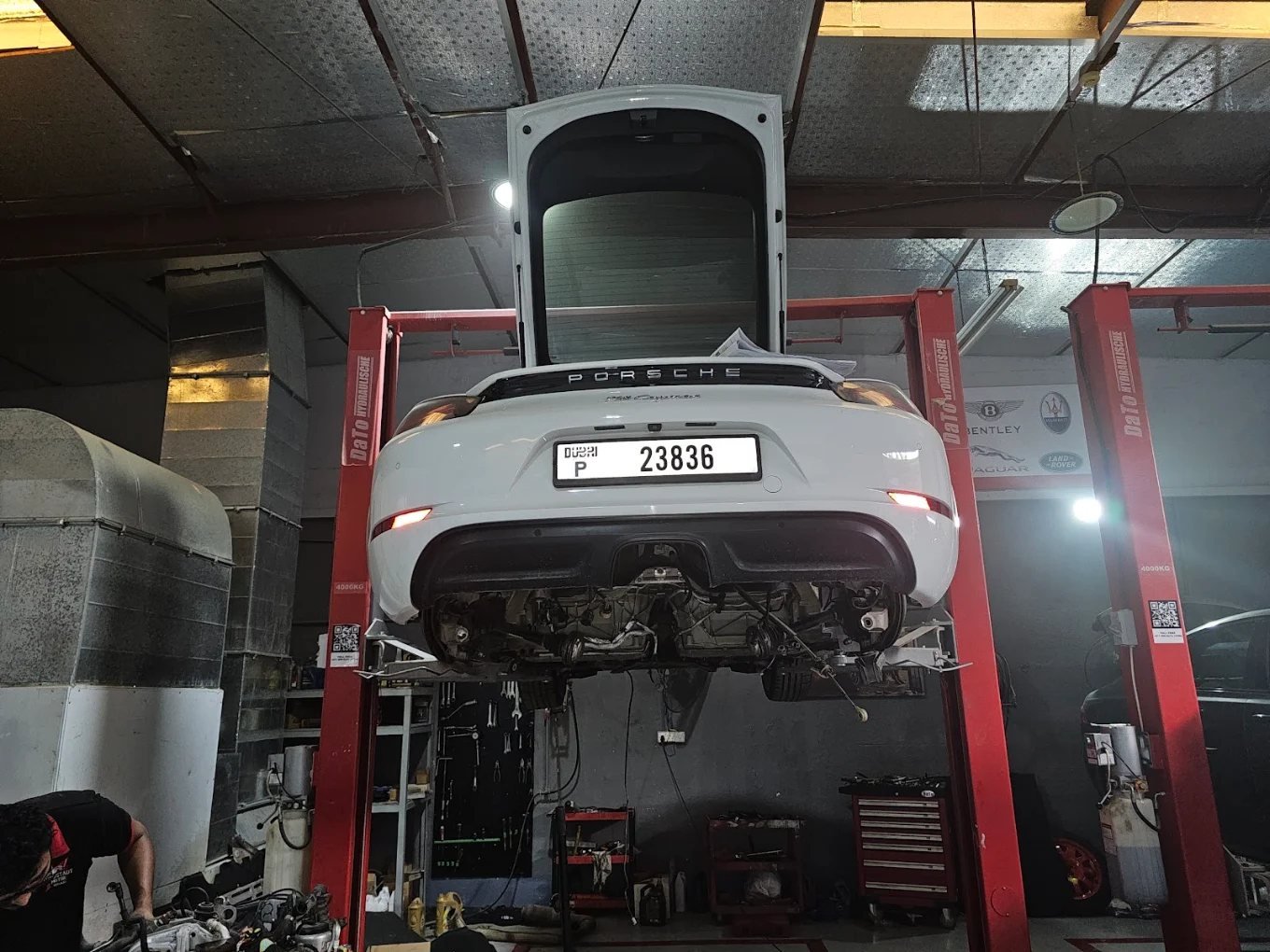
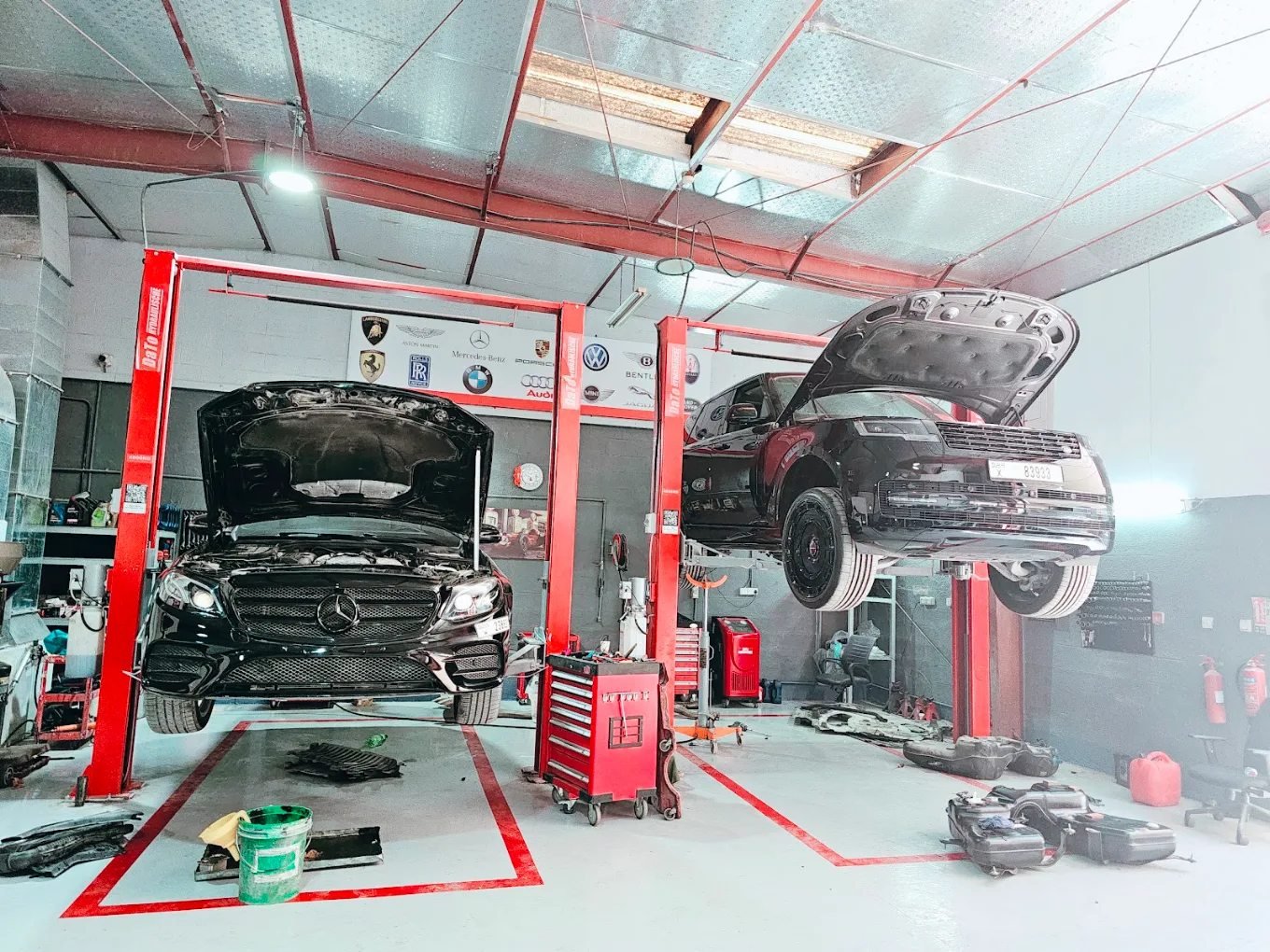
How a professional workshop assesses the issue
Inspection includes checking joints, couplings, supports, mountings and shaft condition. A repair or replacement should match exact drivetrain layout and balancing requirements.
Important decisions and next steps
After approved work, the vehicle should be checked for leaks, noise and vibration. Because many faults overlap, diagnosis should not start with automatic replacement.
Further information
Where vibration is felt can help diagnosis
Drivetrain vibration often changes with speed or load, while tyre and wheel problems may behave differently. Tell the technician whether the noise appears during acceleration, coasting, reversing or turning. A controlled inspection can narrow the possible cause.
Correct part and balancing requirements
A shaft, centre support or joint should match vehicle design and operating angles. Poor fitment can introduce new vibration and potentially damage neighbouring components. Severe noise or movement deserves timely assessment.
Frequently asked questions
What causes driveshaft vibration?+
Possible causes include imbalance, worn joints, damaged supports or unrelated tyre issues.
Can a propeller shaft be repaired?+
It depends on the shaft design, damage and availability of suitable specialist repair.
Is it safe to drive with heavy underbody vibration?+
Have severe vibration checked promptly rather than continue normal driving.