
A dirty throttle body may contribute to unstable idle or sluggish airflow response on some engines, but cleaning is not a universal cure for low power or poor acceleration.
When to consider this service
Possible signs include uneven idle, hesitation or stalling. Vacuum leaks, sensors, fuel delivery and ignition faults may present the same way, so diagnosis should come before treatment.
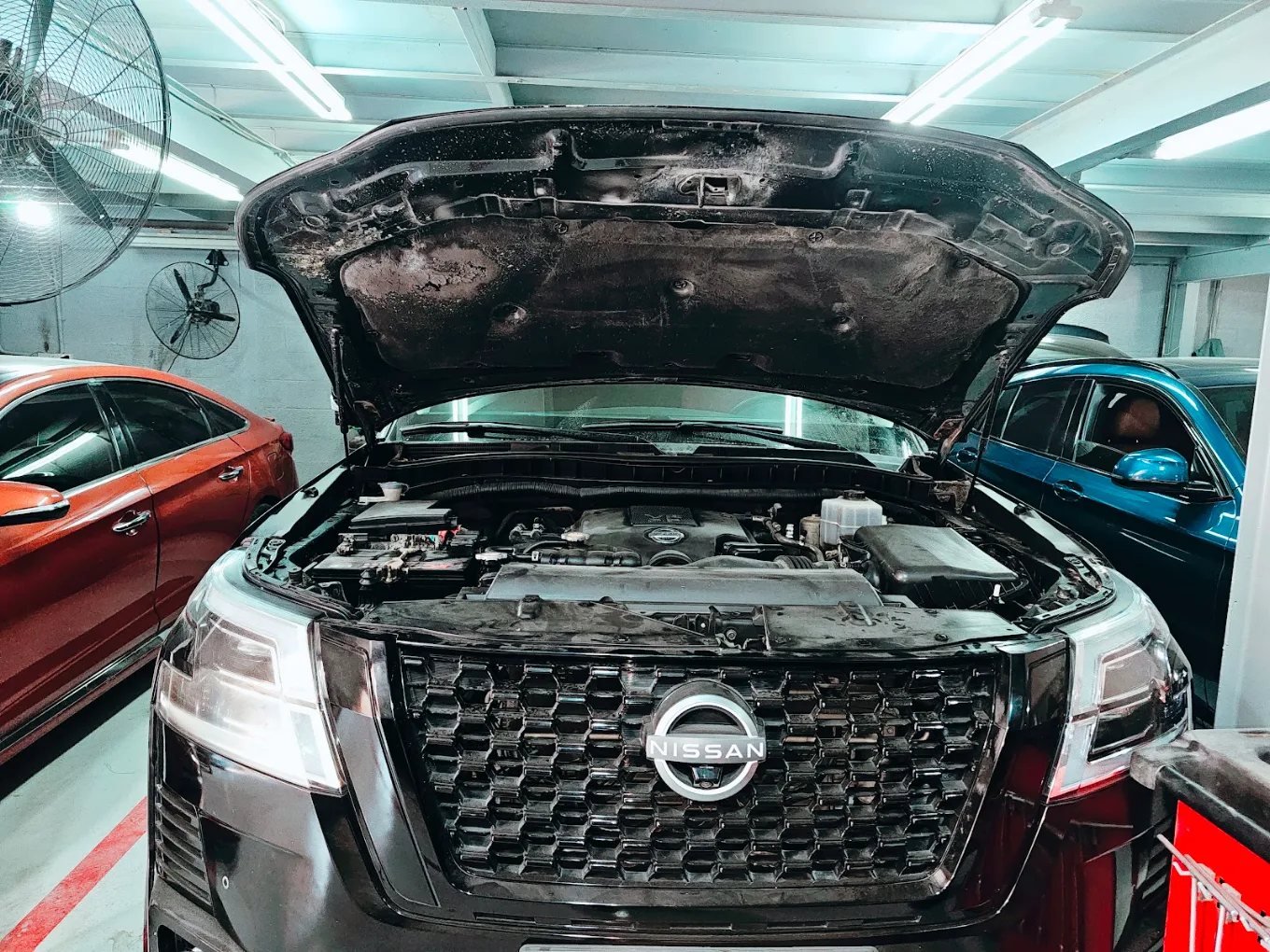
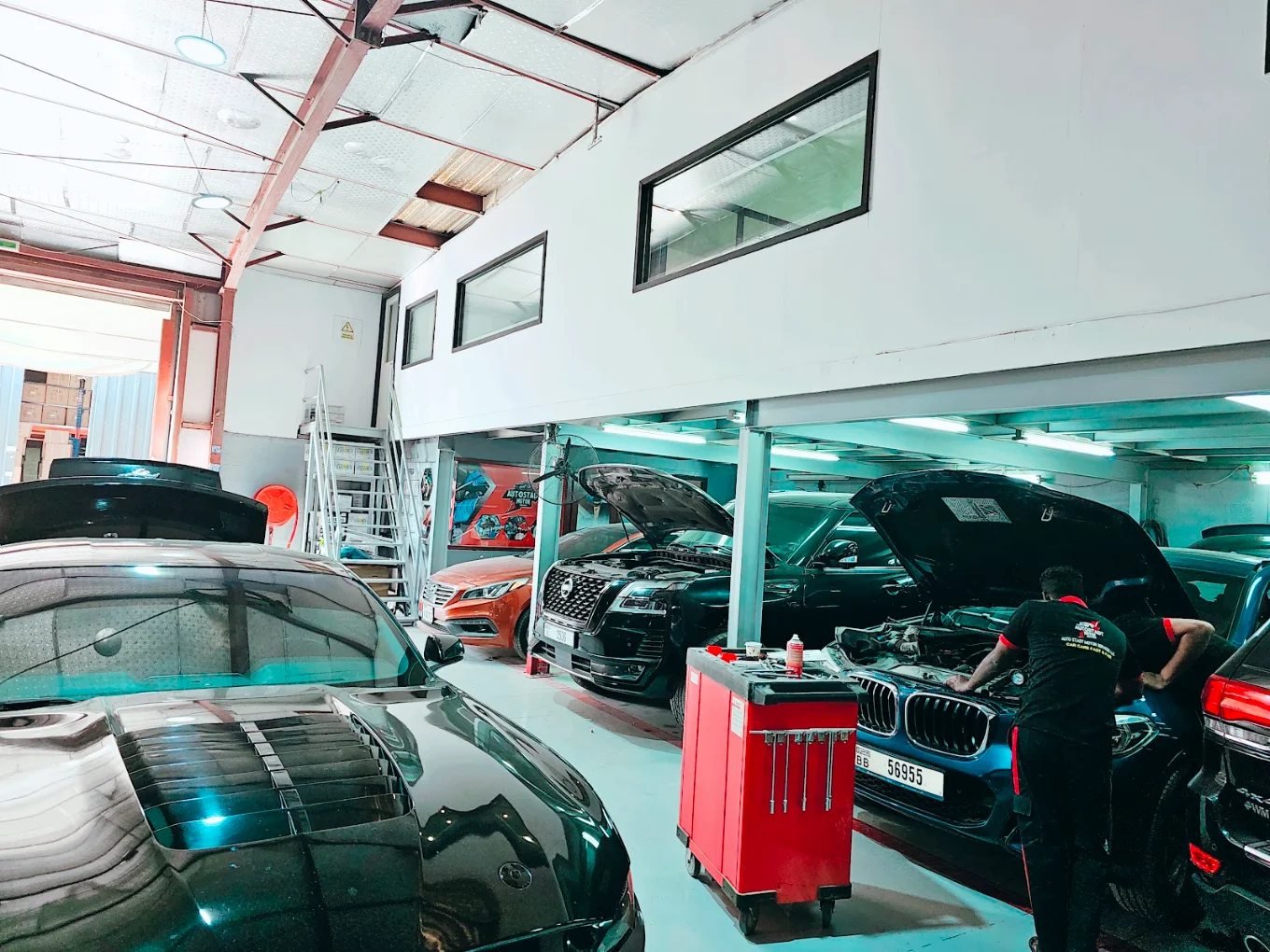
How a professional workshop assesses the issue
The workshop should inspect fault codes, air intake, throttle operation and model-specific service requirements. Some electronic throttles require recalibration or an idle relearn after work; aggressive cleaning methods can damage sensitive components.
Important decisions and next steps
The best result comes from matching the repair to the diagnosis. If the symptom remains, a broader intake, sensor or fuel-system inspection may be required.
Further information
Rough idle can have several causes
An engine with intake air leaks, a misfiring cylinder or a failing sensor may idle badly even with a clean throttle plate. Providing details about when the vibration occurs—when the AC is on, during cold starts or in slow traffic—helps narrow the diagnosis. Cleaning should be recommended because inspection supports it, not simply because the car has high mileage.
Protecting electronic throttle components
Many modern throttles are controlled by an electric actuator. The cleaning process needs to follow manufacturer guidance to avoid damaging the motor, seals or sensor. Following the procedure, confirm idle stability and investigate any recurring error codes.
Frequently asked questions
Can throttle cleaning fix rough idle?+
Sometimes, when contamination is the cause. Other faults can produce the same symptom.
Is throttle-body cleaning required at every oil change?+
No. Follow vehicle guidance and condition-based inspection.
Will my car need an idle relearn?+
Some electronic throttle systems do; requirements vary by model.