
The torque converter links the engine to many automatic transmissions. Shuddering, slipping or unusual noise can be related to its clutch or hydraulic operation, but similar symptoms occur with other gearbox faults.
When to consider this service
Drivers may describe shaking during steady acceleration, heat-related transmission trouble or delayed engagement. Transmission fluid condition and control codes are essential clues, not final proof.
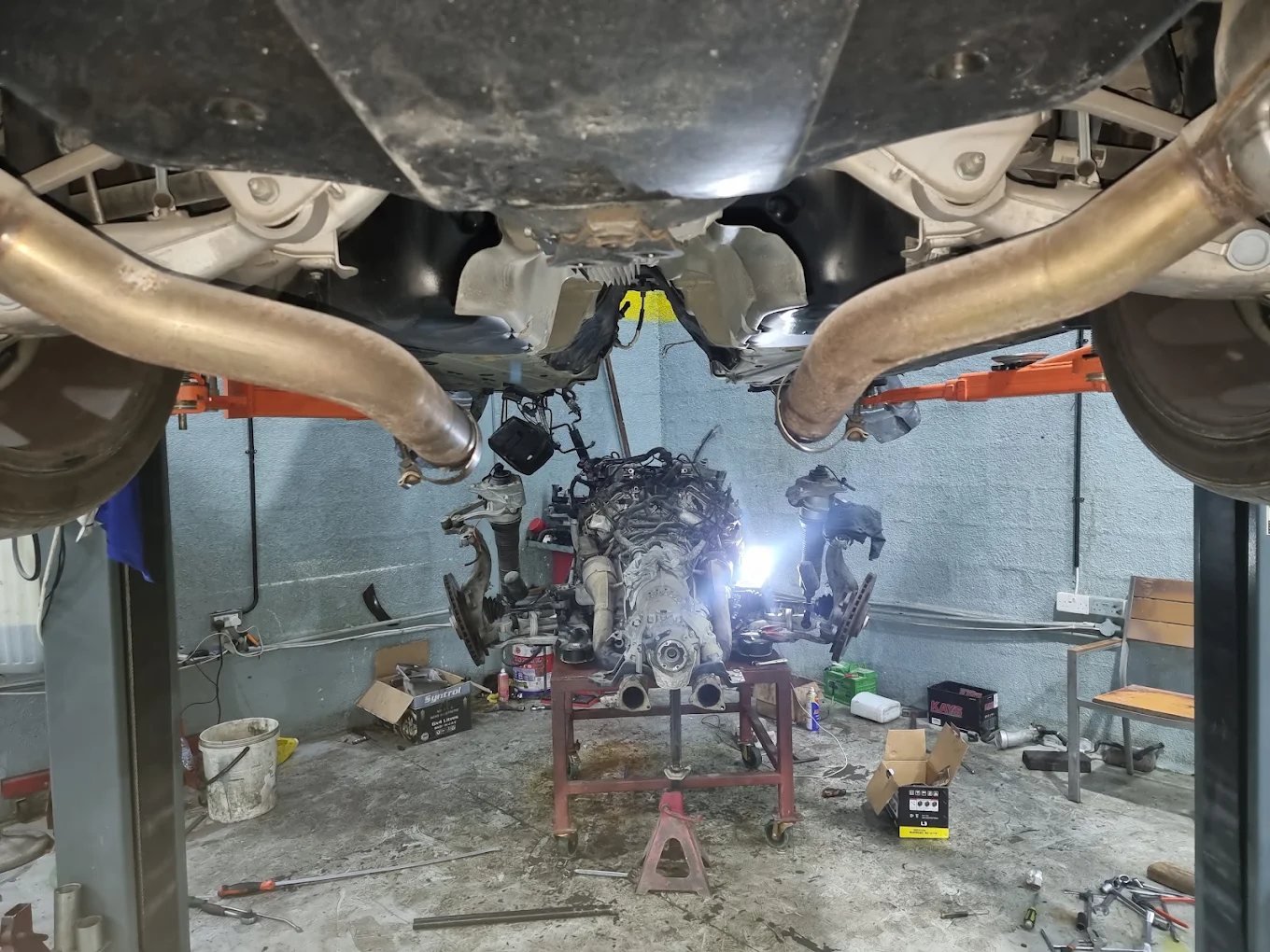
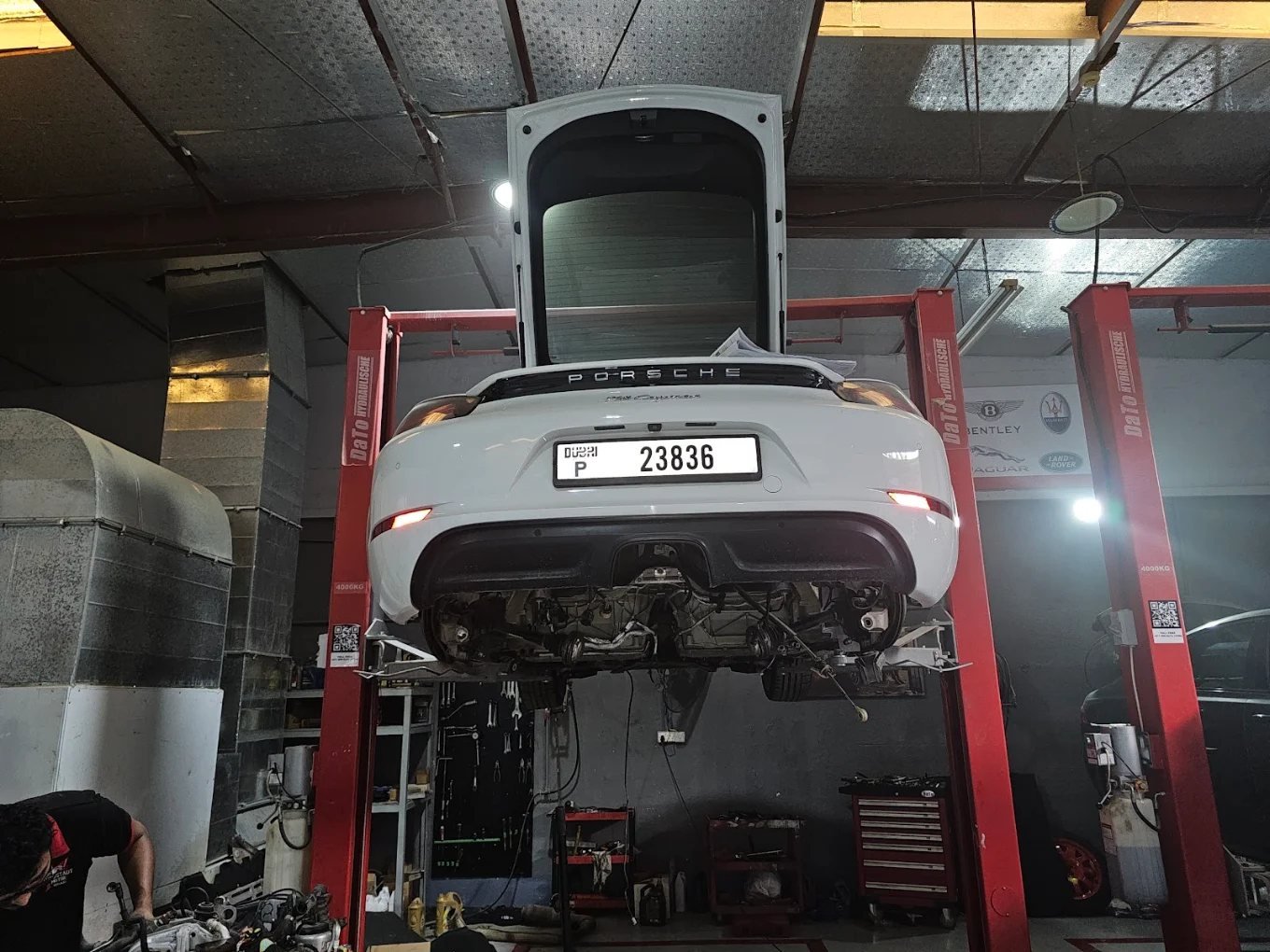
How a professional workshop assesses the issue
A thorough assessment considers fluid level and condition, transmission codes, road-test behaviour where safe and model-specific service information. Replacing a torque converter can involve substantial gearbox removal work.
Important decisions and next steps
A technician should explain whether the converter, valve body, controls or internal transmission components are implicated before recommending a costly replacement.
Further information
Separating converter shudder from engine misfire
Some vibrations are felt mainly at steady speed or as a clutch engages; others follow engine load regardless of gear. Recording the exact speed, temperature and driving condition helps a workshop evaluate the transmission and engine together.
After gearbox-related work
A full repair may require checking fluid specification, leaks, mountings and diagnostic adaptations where applicable. If the original symptom returns, prompt follow-up is important. A torque converter replacement should be based on evidence, not simply the age of the vehicle.
Frequently asked questions
Is torque converter shudder always caused by the converter?+
No. Fluid, engine misfire, transmission controls and internal wear can mimic the symptom.
Can a converter be changed without removing the gearbox?+
On many designs substantial transmission removal is required; exact procedure varies.
Can low fluid cause similar symptoms?+
Yes. Fluid condition and level are part of diagnosis.